

Most of us know pain.
Maybe it’s the neck that tightens up after a long day at the computer. The low back that has been “a thing” for years. A knee that complains after a long walk. An old injury that periodically announces itself again. Or maybe the discomfort is harder to pinpoint—you simply wake up feeling achy, stiff or sore.
Pain is one of the most common reasons people come see us at Tao to Wellness. But one of the most important things to understand about pain is that where you hurt doesn’t always tell us the whole story about why you hurt.
Pain Has More Than One Source
Sometimes pain is straightforward. You strained a muscle, irritated a tendon or injured a joint, and the tissues need time to heal. But persistent or recurring pain can be more complicated.
Inflammation may be part of the picture. Muscles surrounding an injured or vulnerable area can tighten protectively, creating even more discomfort. A compressed or irritated nerve can produce pain, tingling, burning or numbness somewhere entirely different from where the nerve is being affected. And when pain has been present for a long time, the nervous system itself can become increasingly sensitive to pain signals.

This is particularly relevant in conditions such as fibromyalgia, where widespread pain can occur without the kind of tissue damage we would expect to explain its intensity. Researchers believe changes in how the brain and nervous system process pain signals play an important role. That doesn’t mean the pain isn’t real. It means pain isn’t always as simple as finding the sore spot and fixing it.
Where Does Inflammation Fit In?
Inflammation is part of the body’s normal healing response. If you sprain an ankle or catch a virus, inflammation helps your body respond to the problem. The trouble is when inflammatory processes stick around longer than they’re useful.
Long-term, low-grade inflammation is associated with a number of chronic health conditions, and lifestyle, metabolic health, diet and other factors can influence inflammatory activity in the body. So while “getting rid of inflammation” isn’t realistic—or even desirable—we can make choices that support a healthier inflammatory response.
Here are five that go beyond simply telling you to eat your vegetables.
1. Get Serious About Omega-3s
Omega-3 fatty acids—particularly EPA and DHA—have been extensively studied for their role in regulating inflammatory pathways.
Fatty fish such as salmon, sardines, trout and mackerel are among the richest dietary sources. Plant foods including walnuts, chia and flax contain another omega-3 called ALA.
Instead of thinking about one magical anti-inflammatory food, consider whether omega-3-rich foods are regularly showing up on your plate.
2. Bring More Spices Into the Kitchen
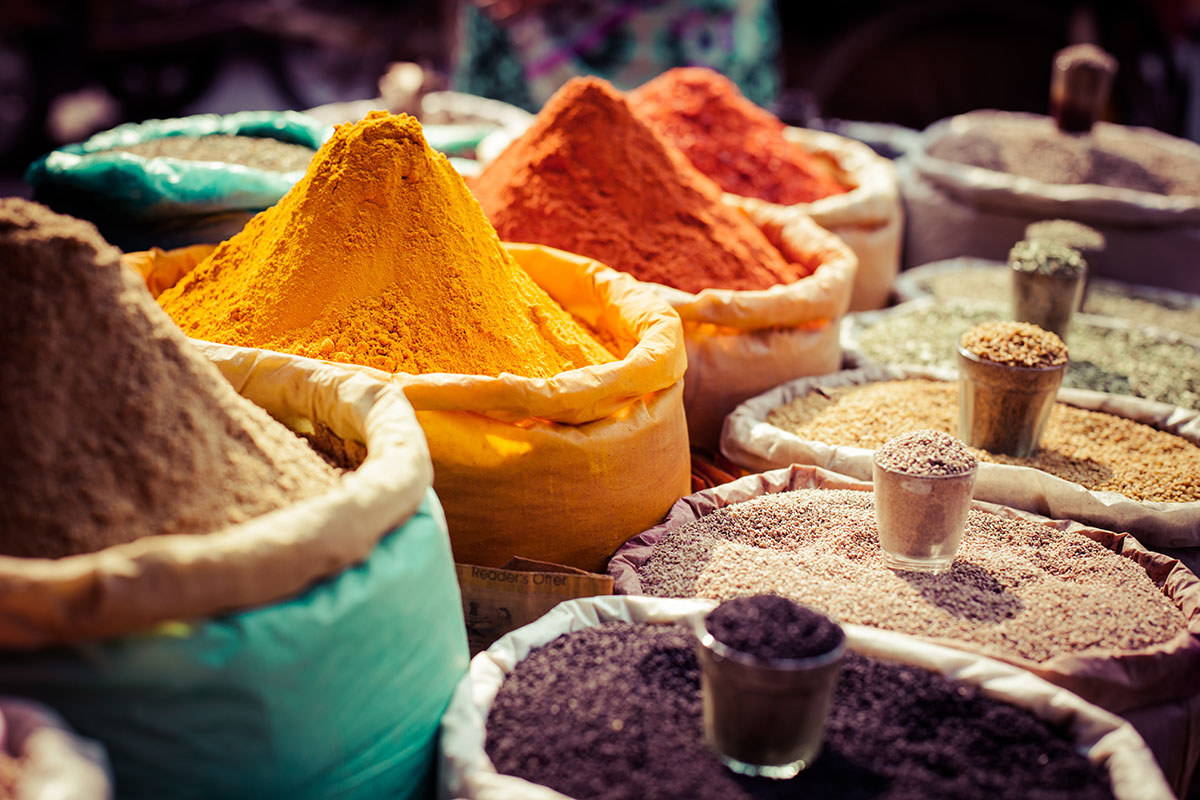
Turmeric gets most of the attention because its active compounds, including curcumin, have been studied for their anti-inflammatory properties. Ginger also contains compounds that have been investigated for effects on inflammatory signaling.
Add ginger to stir-fries, soups or tea. Use turmeric in curries, roasted vegetables, lentils or rice. Garlic, cinnamon and other herbs and spices also contribute a wide range of plant compounds.
Think abundance rather than supplementation: more herbs, spices, colors and flavors.
3. Feed Your Gut
Your digestive tract and immune system are intimately connected, which is one reason the gut microbiome has become such an important area of inflammation research.
One of the simplest ways to support a diverse microbiome is to feed it a diverse range of plant fibers. Beans, lentils, vegetables, berries, oats, nuts, seeds and whole grains all bring different fibers and plant compounds to the table. Fermented foods such as yogurt, kefir, kimchi and sauerkraut can add another dimension.
Instead of obsessing over eliminating individual foods, try asking a different question:
How many different plants did I eat this week?
4. Pay Attention to Blood Sugar Swings
This one gets overlooked.
A diet dominated by refined carbohydrates and added sugars can contribute to repeated blood- sugar and insulin spikes and, over time, poorer metabolic health—something that is closely connected with chronic inflammation.
That doesn’t mean carbohydrates are bad. Try pairing them.
Fruit with nuts or yogurt. Bread with eggs or avocado. Rice with protein and vegetables. Oatmeal with seeds and Greek yogurt.
Adding protein, fiber and healthy fats tends to slow digestion and produces a very different meal than eating refined carbohydrates by themselves.
5. Look at What’s Quietly Adding to the Load
Sometimes improving an anti-inflammatory lifestyle isn’t about adding another supplement. It’s about looking at what’s already there.
Highly processed foods, smoking, excessive alcohol intake and prolonged psychological stress are all associated with increased inflammatory activity.
Nobody needs to overhaul their life overnight. Pick the thing that shows up most often and start there.
And Where Does Acupuncture Fit In?

Pain management is rarely about one magic intervention.
Acupuncture is increasingly being studied for its effects on pain signaling, the nervous system and inflammatory pathways. In the clinic, we also look beyond the location of the pain itself.
Is the area tight and guarded? Is there nerve involvement? Does the pain improve with warmth? Did it begin with an injury? Is it accompanied by poor digestion, fatigue, headaches or other symptoms? Has it been present for six weeks—or six years?
Those details matter.
Sometimes we use acupuncture alone. Other times we may incorporate cupping, moxibustion or other approaches depending on what we find.
Because when pain keeps returning, the better question isn’t always:
“Where does it hurt?”
Sometimes it’s:
“What keeps turning the pain back on?”