

Women are remarkably good at adapting.
We carry pain relievers in our purses because we know the cramps are coming. We keep an extra sweater nearby because one minute we’re freezing and the next we’re having a hot flash. We figure out which foods won’t make us feel bloated, learn to function after another night of lousy sleep, and sometimes organize entire days around how our bodies are feeling.
Eventually, symptoms that once seemed unusual can simply become part of life.
But there’s a difference between something being common and something you simply have to accept.
At TTW, we treat women at every stage of life, and many initially come to us for one particular complaint—a painful period, poor sleep, hot flashes, headaches, digestive issues—only to realize that several things have been happening at the same time.
That’s one of the things we love about Chinese medicine: rather than looking at each symptom in isolation, we look for patterns and connections throughout the body.
Here are seven common women’s health concerns worth paying attention to.
1. Painful or Difficult Periods
Some mild discomfort during menstruation can happen, but significant pain that interferes with work, sleep, exercise or everyday life deserves attention.
That includes intense cramping, lower back pain, headaches or migraines, nausea, diarrhea, heavy bleeding or large clots.
From a Chinese medicine perspective, we look at much more than whether your period hurts. When does the pain begin? What does it feel like? Is your flow heavy or light? What color is the blood? Are there clots? Do you feel better with heat? How are your energy, digestion and mood throughout your cycle?
Those details help us understand the larger pattern rather than treating “period pain” as one universal condition.
2. PMS That Takes Over Part of Every Month
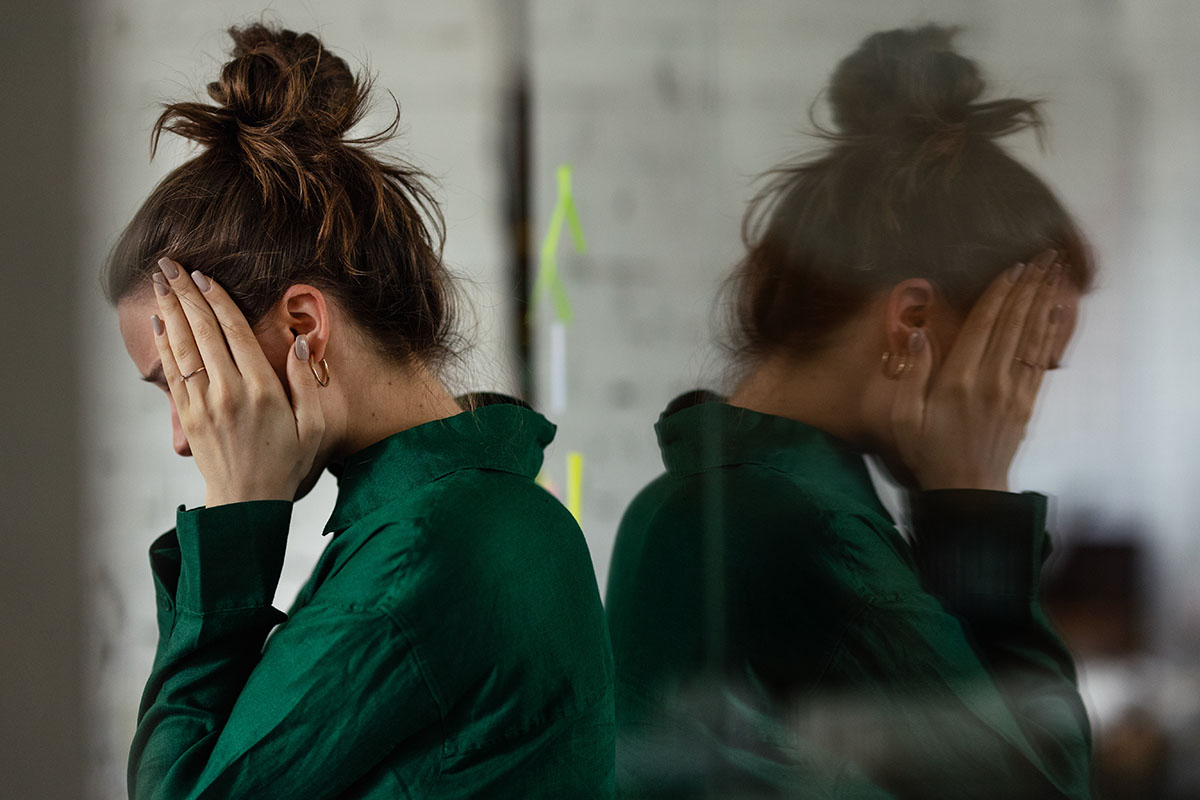
Irritability. Anxiety. Breast tenderness. Bloating. Food cravings. Headaches. Fatigue. Crying because someone breathed incorrectly in your general vicinity.
Hormonal fluctuations can certainly affect how we feel, but if you spend a significant portion of every month dreading what’s coming, it’s worth addressing.
Acupuncture and Chinese medicine are often used to support menstrual health and help manage symptoms associated with the cycle.
3. Perimenopause Feels Like Someone Changed the Rules
Perimenopause can begin years before periods actually stop, and for many women, it can feel surprisingly unpredictable.
Periods may suddenly become heavier, lighter, longer, shorter or irregular. Sleep can change. Hot flashes and night sweats may appear. Some women notice more anxiety, irritability, headaches, brain fog, heart palpitations or changes in libido.
And sometimes the most frustrating part is simply thinking, “Why don’t I feel like myself?” This is a stage when many women seek acupuncture as part of a broader approach to managing symptoms and supporting their overall well-being.
4. Menopause Didn’t End the Conversation
Once your periods stop, women’s health doesn’t suddenly become irrelevant.
Postmenopausal women may experience hot flashes or night sweats for years. Sleep disturbances can continue. Vaginal and vulvar dryness, discomfort during sex, urinary changes, shifts in libido, changes in skin and hair, and changes in body composition can become part of the picture.
This is also an important stage for paying attention to bone, cardiovascular and metabolic health.
Acupuncture isn’t a substitute for appropriate medical care or hormone therapy when indicated, but it can be one component of a larger plan for feeling well during this next stage of life.
5. You’re Exhausted—but Somehow Still Can’t Sleep
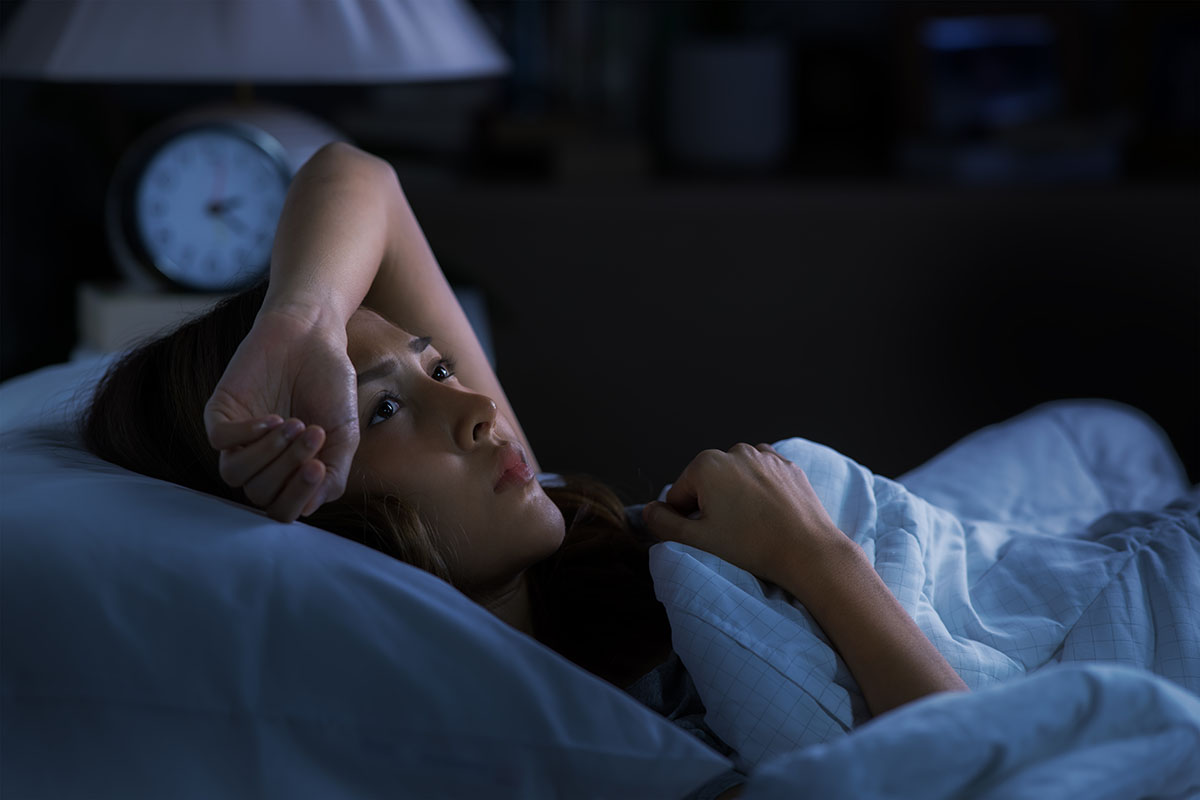
You are tired all day.
Then 10 p.m. arrives and suddenly your brain has several pressing matters it would like to discuss.
Or perhaps you fall asleep easily but wake at 2 or 3 a.m. and can’t get back to sleep. Maybe you’re waking with night sweats, or you sleep eight hours but never feel truly rested.
Sleep problems can occur at any age, but hormonal transitions, stress and other health factors can make them particularly noticeable during perimenopause and after menopause.
Chinese medicine looks at how your sleep is disrupted, along with your other symptoms, to understand the overall pattern.
6. Your Digestion Is Constantly “A Little Off”
Bloating, constipation, loose stools, reflux, feeling overly full after eating, changes in appetite— digestive complaints are incredibly common.
And for some women, they’re closely connected with their menstrual cycle, stress levels or hormonal transitions.
Chinese medicine has always paid close attention to digestion because our ability to nourish ourselves affects energy, sleep and overall health. When someone comes in complaining about fatigue, headaches or hormonal symptoms, don’t be surprised when we start asking about breakfast and bowel movements. It’s all part of the picture.
7. Stress Is Showing Up in Your Body
Stress isn’t only something you feel emotionally.
It can look like tight shoulders, jaw clenching, headaches, digestive changes, irritability, poor sleep, fatigue or the feeling that your nervous system never completely powers down.
Many women are juggling careers, relationships, children, aging parents, financial responsibilities and about 47 other things at any given moment. Eventually, the body may start asking for some attention too.
How Long Have You Been Putting Up With It?
How long has it been going on? Three months? A year? Five years?
Women can become incredibly skilled at accommodating discomfort. Over time, something that once felt clearly wrong can quietly become part of the routine.
But “I’ve gotten used to it” and “I feel well” aren’t the same thing.

You don’t have to wait until something becomes unbearable before asking for support. Sometimes the first step is simply deciding that feeling “fine enough” isn’t good enough anymore.
Make an appointment and let us help you remember what feeling good feels like.