
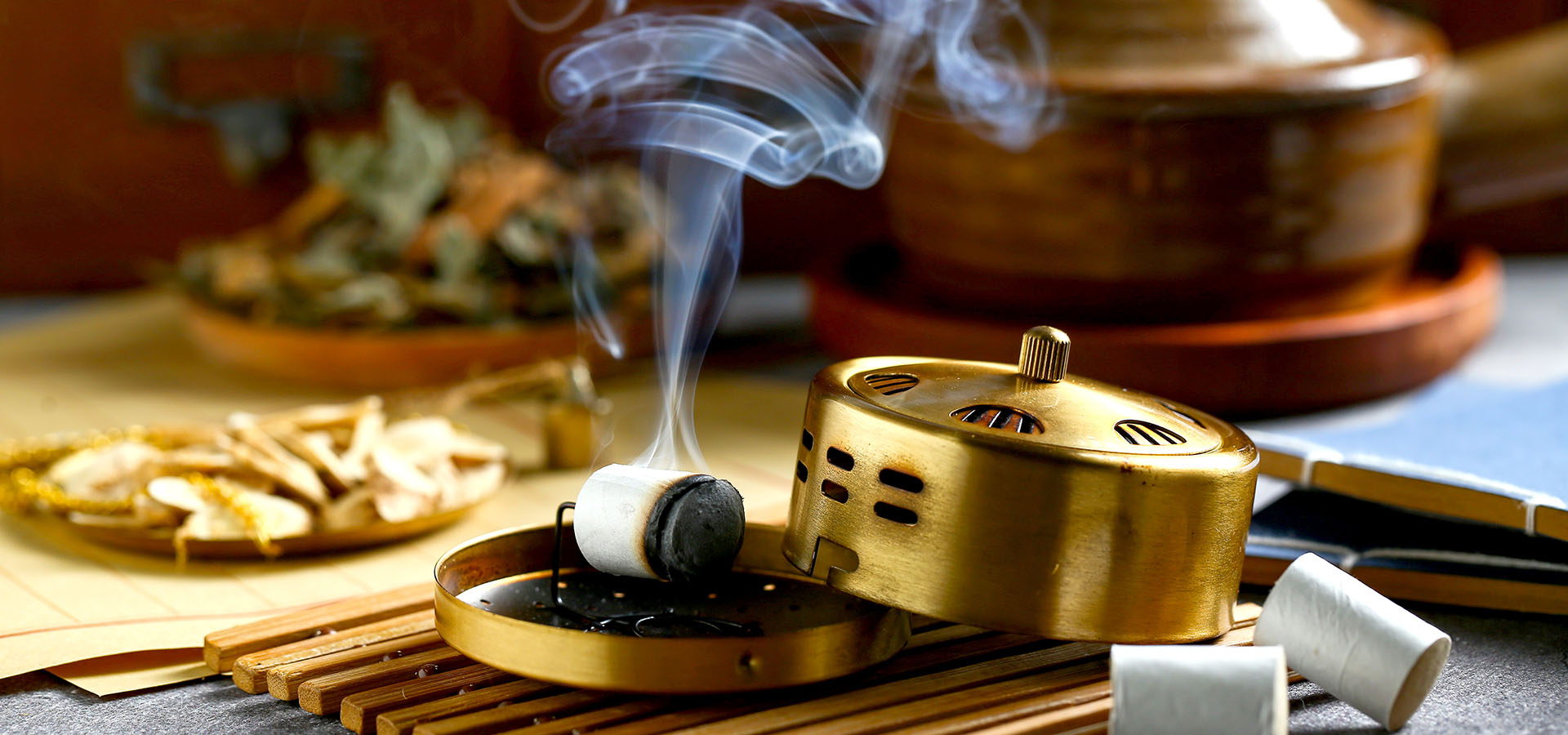
When most people think about Chinese medicine, they think about acupuncture. And while acupuncture is certainly at the heart of what we do at Tao to Wellness, it’s only one part of a much larger system of medicine.
Depending on what’s going on in your body, your practitioner may also incorporate other therapies into your treatment—most commonly cupping or moxibustion. These techniques have been used alongside acupuncture for centuries, and each offers something a little different.
As we move toward the colder months, it’s a particularly good time to talk about them.
Cupping: More Than Those Famous Circles
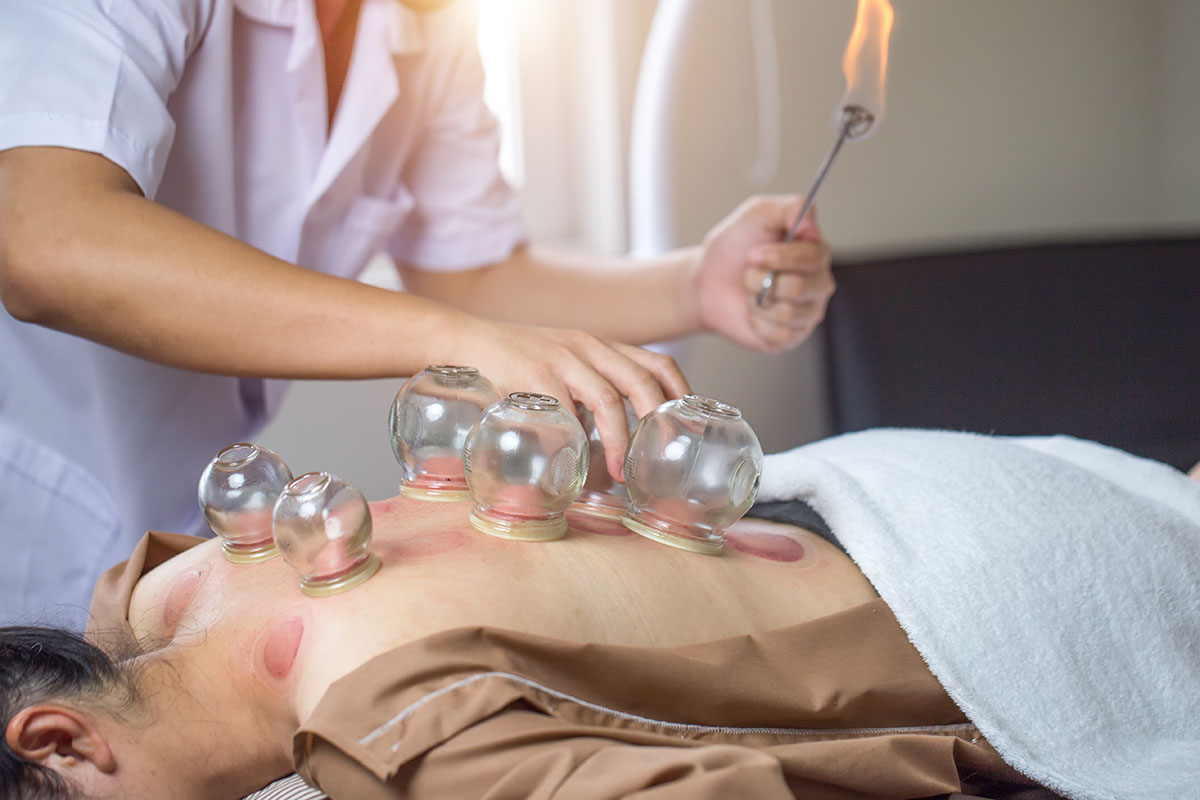
Thanks to Olympic swimmers and celebrities, most people have at least seen the telltale circular marks left behind by cupping. But what is it actually doing?
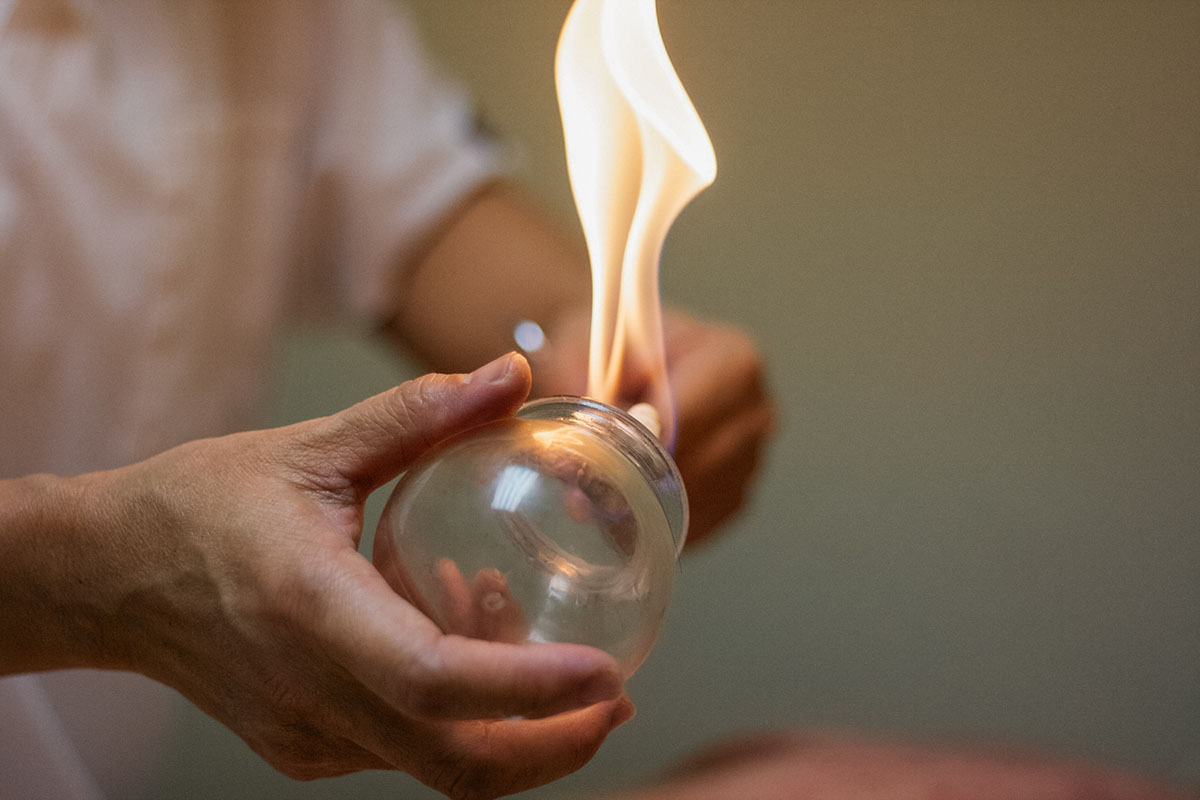
Cupping uses small glass or plastic cups placed on the skin with gentle suction. That suction lifts the skin and superficial tissues rather than pressing down into them, increasing local circulation and creating space within tight muscles and connective tissue.
We most commonly use cupping for areas that feel tight, stiff or congested—particularly the neck, shoulders and back. If you’ve ever had that feeling where your muscles seem to be holding on for dear life, cupping can be a wonderful addition to acupuncture.
Patients often describe the sensation as a deep release. And unlike a deep-tissue massage, where pressure is pushing into the muscles, cupping works in the opposite direction by gently pulling the tissues upward.
But cupping isn’t only for sore muscles.
In Chinese medicine, cupping has traditionally been used during colds and respiratory illnesses, particularly when there’s a feeling of congestion or heaviness in the chest. When someone is recovering from a respiratory infection but still feels as though there’s mucus or phlegm lingering in the lungs, we may use cupping over the upper back as part of the treatment.
That makes it a useful tool to remember as we head into cold and flu season.
Moxibustion: Bringing Warmth Into the Treatment
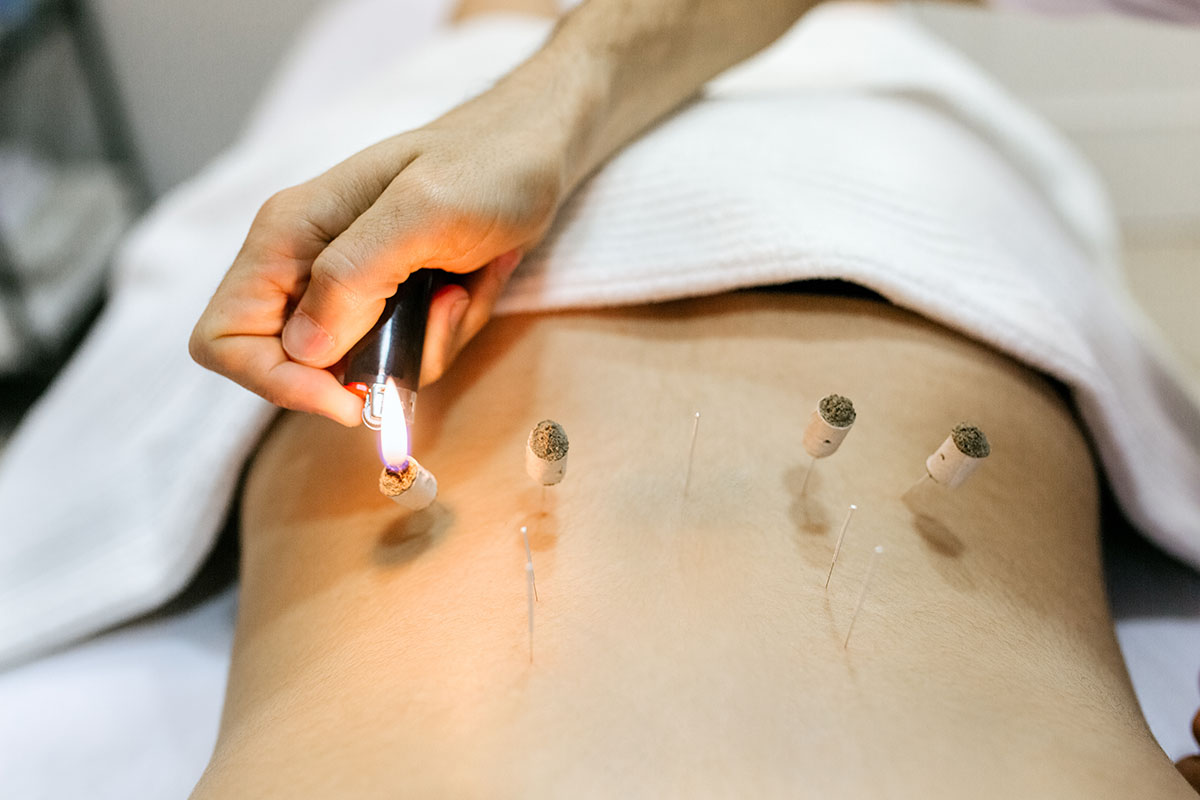
Moxibustion—or “moxa”—does something completely different.
Moxa is traditionally made from dried mugwort, an herb that is burned near acupuncture points or over particular areas of the body to provide therapeutic warmth. It can be used in several different ways, but the goal is generally the same: to warm, stimulate and encourage circulation through an area.
If cupping feels like movement and release, moxa is all about warmth and nourishment.
In Chinese medicine, we often use moxibustion when a condition seems to improve with heat or worsen with cold. Think about the achy knee that feels much better after a hot shower, the low back that gets stiffer on cold mornings, or the person who seems to feel chilled all the way down to their bones.
Moxa may also be incorporated into treatments for certain digestive complaints, menstrual discomfort, fatigue and pain—particularly when the Chinese medicine diagnosis suggests that warmth would be beneficial.
And as the weather gets cooler and our bodies naturally begin craving warmth, moxa can feel especially wonderful.
Why Combine These Therapies With Acupuncture?
At Tao to Wellness, cupping and moxibustion aren’t standalone treatments. Instead, we use them strategically alongside acupuncture when we think they can enhance your treatment.
Think of acupuncture as the foundation. Your practitioner chooses acupuncture points based on your symptoms, health history and Chinese medicine diagnosis. We may then add cupping when we want more movement through a tight or congested area, or moxa when we want to introduce warmth and additional stimulation.
Not every patient needs them, and not every treatment calls for them.
That’s one of the things we love about Chinese medicine: there isn’t one treatment that everyone receives for the same complaint. Someone with low back pain that feels tight and knotted may benefit from cupping. Someone whose back feels markedly worse in cold weather may benefit from moxa. Someone else may need acupuncture alone.
The toolbox is bigger than most people realize.
Heading Into the Colder Months
Late fall is when many of us start noticing the shift. We’re spending more time indoors. Temperatures are dropping. Colds and respiratory bugs start making the rounds. Old aches can suddenly become louder.
So the next time you’re on the treatment table, tell us what you’re noticing.
Is your back tighter than usual? Are your shoulders permanently creeping toward your ears? Does an old knee start complaining when the temperature drops? Are you recovering from a cold but still feeling congested?
Sometimes the needles are exactly what you need. And sometimes we reach a little deeper into the Chinese medicine toolbox.