

We often think of mood as something that happens only in the brain.
Anxiety? Brain.
Depression? Brain.
Stress? Brain.
But current research is painting a much more interesting picture: your gut may be playing a major role in how you feel emotionally, mentally, and even energetically.
This connection is called the gut-brain axis, and it refers to the constant two-way communication between your digestive system and your central nervous system. In other words, your gut and brain are always talking.
And sometimes, your gut has a lot to say.
What Is the Gut-Brain Axis?
The gut-brain axis is the communication network between your digestive tract, brain, nervous system, immune system, hormones, and gut microbiome.
Your gut can send signals to your brain through several pathways:
- The vagus nerve
- Inflammatory signals
- Stress hormones
- Neurotransmitters
- Gut bacteria and their byproducts
This is one reason digestive symptoms and mood symptoms often travel together. Many people notice that when their digestion is off, their mood feels off too. Bloating, constipation, loose stools, nausea, reflux, and abdominal discomfort can all show up alongside anxiety, irritability, low mood, or brain fog.
It is not “all in your head.” It may also be in your gut.
The Microbiome: Your Inner Ecosystem
Inside your digestive tract lives a vast ecosystem of bacteria, fungi, and other microorganisms known as the gut microbiome.
A healthy microbiome helps with digestion, nutrient absorption, immune function, inflammation regulation, and even mood support.
When the microbiome becomes imbalanced, sometimes called dysbiosis, research suggests it may contribute to anxiety, depression, fatigue, inflammation, and stress sensitivity.
This does not mean gut health is the only cause of mood disorders. It is not. Mental health is complex and can involve genetics, trauma, hormones, sleep, inflammation, life circumstances, medication, and many other factors.
But gut health is now considered an important piece of the puzzle.
What About Serotonin?
You may have heard that most of the body’s serotonin is made in the gut. That is true—but with an important clarification.
Serotonin made in the gut does not simply travel straight into the brain and make you happy. The body is more complicated than that, because apparently biology enjoys drama.
Gut serotonin plays a major role in digestion, motility, nausea, appetite, and communication between the gut and nervous system. Your gut bacteria may also influence serotonin-related pathways, inflammation, and signals that affect mood indirectly.
So while your gut is not a tiny happiness factory, it is deeply involved in the chemistry of mood, stress, and emotional regulation.
Stress Changes the Gut

The gut-brain connection works in both directions.
Just as the gut can influence the brain, the brain can influence the gut.
When you are under stress, your body shifts into fight-or-flight mode. Blood flow moves away from digestion. Stomach acid, enzymes, motility, and gut barrier function can all be affected.
This is why stress can trigger:
- Stomachaches
- Loose stools
- Constipation
- Nausea
- Loss of appetite
- Emotional eating
- Bloating
- Reflux
Chronic stress may also alter the microbiome and increase inflammation, creating a loop where stress affects the gut, and the gut sends more distress signals back to the brain.
This is one reason treating digestion without addressing the nervous system often falls short.
Signs Your Gut May Be Affecting Your Mood
Your gut may be contributing to mood changes if you notice:
- Anxiety that worsens after eating
- Low mood with bloating or constipation
- Irritability when digestion feels sluggish
- Brain fog after certain foods
- Sugar cravings when stressed
- Sleep issues alongside digestive symptoms
- Feeling “tired but wired”
- Loose stools or nausea during emotional stress
Of course, these symptoms can have many causes, so it is always important to speak with a healthcare provider if symptoms are persistent, severe, or new.
How Acupuncture Helps
In Chinese medicine, the digestive system and emotional health have always been closely connected.
We do not separate the body into isolated parts. The gut, nervous system, sleep, hormones, immune system, and emotions are all part of one larger, interconnected system.
Modern research is beginning to echo what Chinese medicine has observed for centuries: regulating the nervous system can influence digestion, inflammation, and mood.
Acupuncture may support the gut-brain axis by helping:
- Calm the stress response
- Regulate the nervous system
- Improve vagal tone
- Support digestion and motility
- Reduce inflammation
- Ease anxiety and tension
- Improve sleep
Many patients come in for digestion and notice their mood improves. Others come in for stress and notice their digestion settles.
That is the gut-brain axis in action.
Food for a Happier Gut
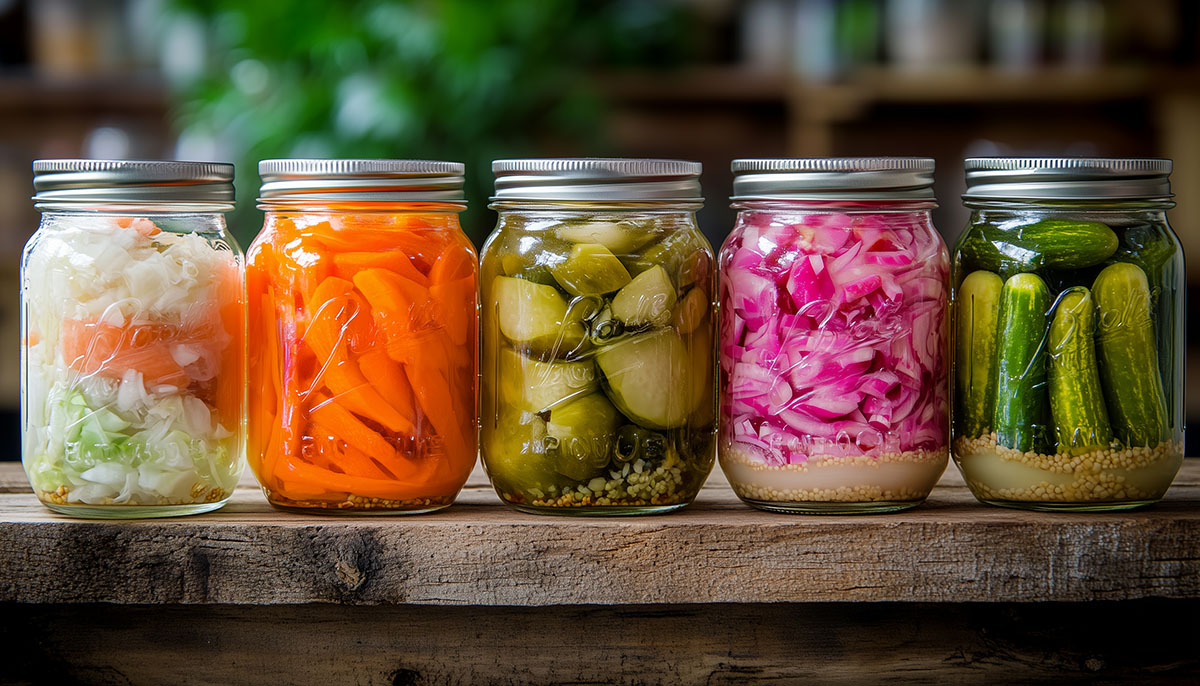
You do not need a perfect diet to support your gut. In fact, perfection tends to create stress, and stress is not exactly gut-friendly.
Start simple.
Eat More Fiber
Fiber feeds beneficial gut bacteria. Good sources include:
- Lentils
- Beans
- Oats
- Chia seeds
- Flaxseeds
- Berries
- Apples
- Vegetables
- Sweet potatoes
Add Fermented Foods
Fermented foods may help support microbial diversity.
Try:
- Yogurt
- Kefir
- Sauerkraut
- Kimchi
- Miso
- Tempeh
- Kombucha (look for brands lower in added sugar)
Start slowly if you are prone to bloating.
Focus on Polyphenols
Polyphenols are plant compounds that help feed beneficial bacteria and reduce inflammation.
Find them in:
- Blueberries
- Green tea
- Dark chocolate
- Pomegranates
- Herbs
- Spices
- Olive oil
Reduce Ultra-Processed Foods
Highly processed foods can negatively affect the microbiome, blood sugar, inflammation, and mood stability.
You do not need to be extreme. Just aim for more real food, more often.
What About Probiotics?

Probiotics can be helpful for some people, but they are not magic.
Different strains do different things, and not everyone responds the same way. Some people feel better with probiotics, while others feel more bloated or uncomfortable.
If you are trying probiotics, choose a reputable brand, start slowly, and pay attention to how your body responds.
Prebiotics—foods that feed good bacteria—may be just as important as probiotics themselves.
The Chinese Medicine View
In Chinese medicine, digestion is strongly connected to the Spleen and Stomach systems, which are responsible for transforming food into energy.
When digestion is weak, a person may experience:
- Fatigue
- Bloating
- Loose stools
- Brain fog
- Worry
- Sugar cravings
- Heaviness in the body
When stress affects digestion, we often look at the relationship between the Liver and Spleen. This pattern is common in people who feel tense, overwhelmed, irritable, bloated, or emotionally stuck.
Treatment may include acupuncture, herbs, nutrition, and lifestyle changes designed to support both digestion and emotional balance.
The Bottom Line
Your gut and brain are in constant conversation.
If your digestion is inflamed, sluggish, stressed, or imbalanced, your mood may feel the ripple effects. And if your nervous system is overwhelmed, your digestion may struggle too.
The good news is that this connection gives us more ways to heal.
Supporting the gut-brain axis does not require perfection. It starts with small, consistent choices: nourishing food, better sleep, stress reduction, movement, and therapies like acupuncture that help the body shift out of survival mode and back into balance.
A calmer gut can support a calmer mind.
And sometimes, healing begins in the place we least expect: the belly.