

You climb into bed exhausted, but the minute your head hits the pillow, your mind starts racing. Or maybe you fall asleep easily, only to wake up at 3 a.m., thinking about everything you need to do tomorrow. And then there’s the particularly frustrating experience of waking up an hour or two before your alarm, unable to drift off again.
Sound familiar?
Stress and sleep have a complicated relationship. Stress can make it difficult to sleep, and poor sleep can make us more sensitive to stress. Before long, you’re caught in a cycle of exhaustion, irritability, and nights that never feel quite restorative.
At Tao to Wellness, we often see patients who come in complaining of low energy, only to discover that the bigger issue is how poorly they’re sleeping.
So, can acupuncture help?
How Does Stress Affect Your Sleep?
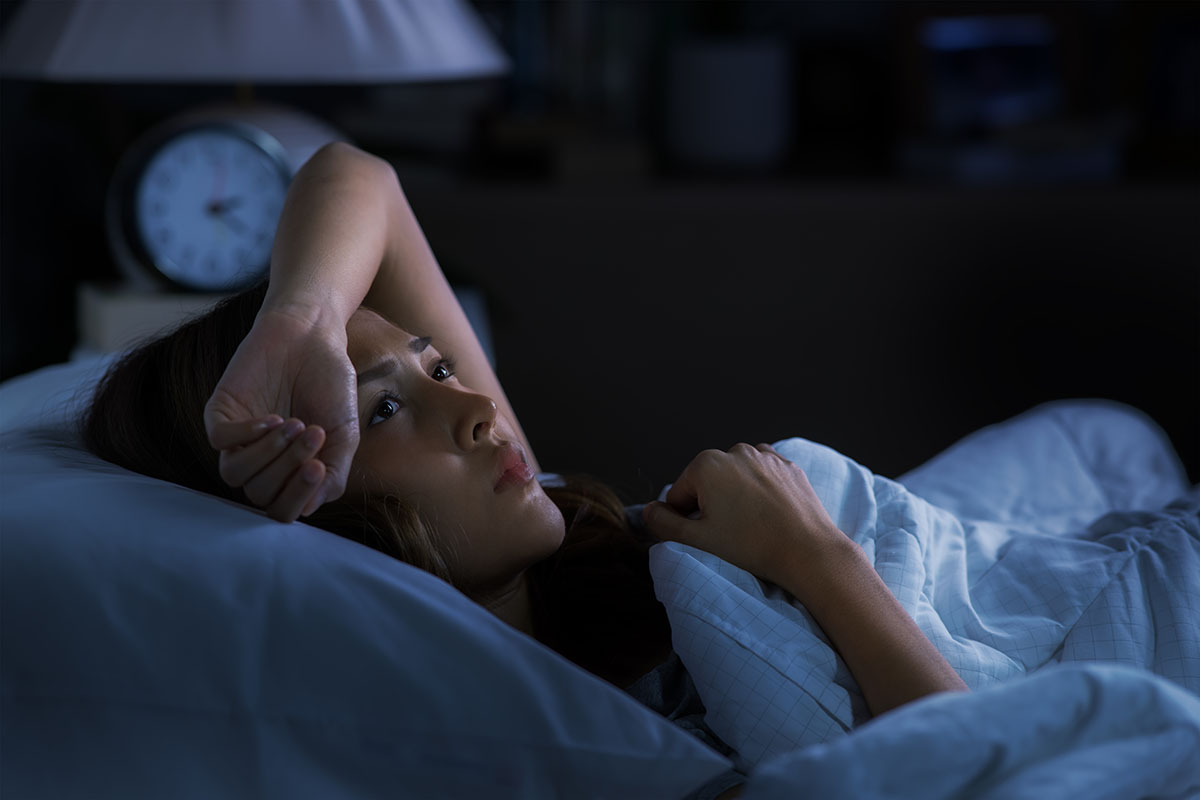
When you’re stressed, your nervous system can remain in a heightened state of alertness, even when you’re physically exhausted.
Stress hormones such as cortisol play an important role in keeping us alert during the day. But when stress becomes chronic, it can interfere with the body’s natural sleep-wake rhythms.
You may find yourself mentally reviewing conversations, worrying about tomorrow, or feeling strangely wired despite being tired.
Acupuncture can help promote relaxation and may influence the body’s stress response. Research suggests potential benefits for insomnia, although the evidence is still developing.
Not All Sleep Problems Are the Same
One of the first things we’ll ask during your consultation is what exactly happens when you try to sleep.
In Chinese medicine, different sleep patterns can offer clues about what’s contributing to the problem.
Trouble falling asleep: You feel exhausted, but your mind won’t settle. We often see this in people who spend their days constantly doing, planning, and problem-solving. In Chinese medicine, this may reflect difficulty calming the Shen (mind or spirit), sometimes associated with Heart or Liver patterns.
Waking throughout the night: You fall asleep without much trouble, but wake repeatedly or find yourself wide awake at 2 or 3 a.m. Stress-related Liver Qi stagnation is one possible Chinese medicine pattern, particularly when accompanied by tension, frustration, or irritability.
Waking too early: You wake well before your alarm and can’t return to sleep. We look at your overall presentation, including stress, mood, energy, and other symptoms, rather than assuming one particular Chinese medicine diagnosis.
These distinctions matter because two people with insomnia may receive very different acupuncture treatments.
What Happens During an Acupuncture Appointment for Sleep?
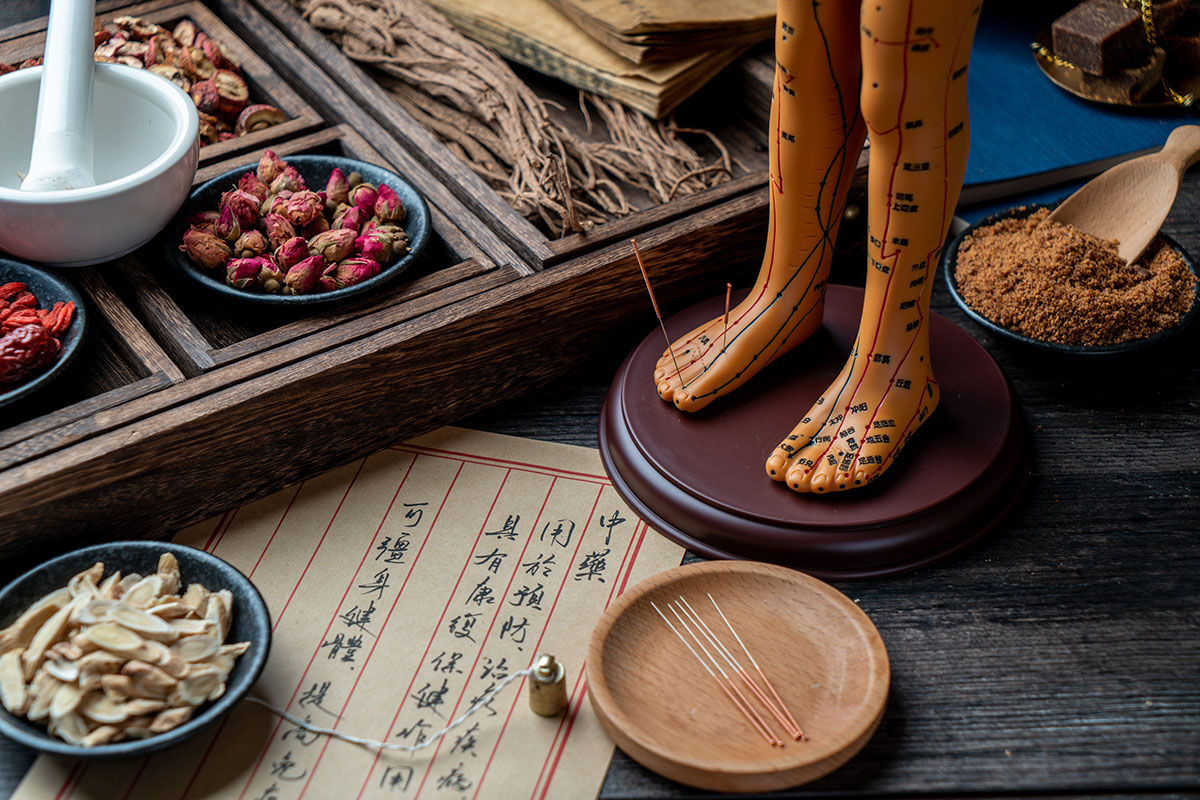
Your first appointment at Tao to Wellness begins with a comprehensive consultation. We’ll ask about your sleep patterns, stress levels, energy, digestion, lifestyle, and overall health. From a Chinese medicine perspective, we’re looking for patterns that connect these symptoms.
Your acupuncture treatment is then tailored to your individual presentation. Fine, sterile needles are placed at selected points, and you’ll rest quietly while the treatment takes place. Many patients find this part of the appointment deeply relaxing. Some, maybe most, even fall asleep on the treatment table!
We may also recommend Chinese herbal medicine to complement acupuncture. While acupuncture sessions provide opportunities to support relaxation and address your individual pattern, a customized herbal formula may offer additional support throughout the day and between treatments. Herbal recommendations are individualized and reviewed for safety, including possible medication interactions.
We’ll also discuss practical ways to support better sleep at home, such as meditation, relaxation exercises, and establishing a more consistent evening routine.
How Many Acupuncture Treatments Will I Need?
For most patients experiencing stress-related sleep problems, we recommend beginning with weekly acupuncture treatments, often alongside Chinese herbal medicine.
If insomnia is particularly severe, we may suggest two or three treatments during the first week, followed by a reassessment the following week. But we don’t believe in imposing a rigid schedule on every patient.
We listen to the body.
How you respond to treatment helps guide when you should return. Are you falling asleep more easily? Waking less frequently? Feeling more rested in the morning?
Sometimes improvement happens quickly. Other times, it develops gradually. We adjust your treatment plan according to what your body is telling us, rather than following a predetermined number of appointments.
Is Acupuncture Right for Your Sleep Problems?

If stress seems to be interfering with your sleep, acupuncture and Chinese herbal medicine may be valuable additions to your overall treatment plan. Persistent insomnia can also be related to sleep apnea, hormonal changes, medications, depression, or other medical conditions. While we can help address many of the factors contributing to poor sleep, some conditions require additional medical care.
At Tao to Wellness, we believe better sleep begins with understanding what’s keeping you awake. Whether you’re struggling to fall asleep, waking repeatedly, or simply never feeling rested, we’d love to help you explore a more restorative night’s sleep.
Ready to start sleeping better?