

Nature has a rhythm.
Spring emerges with growth and possibility. Autumn teaches us to let go. Winter invites rest and restoration. Summer, however, is the season of full expression. It is the peak of Yang energy— the warm, active, outward-moving force that reaches its fullest potential under the long days and bright sun.
In Chinese medicine, each season is associated with specific organ systems, emotions, flavors, colors, and lifestyle recommendations. Summer belongs to the Fire Element and is connected to the Heart, Small Intestine, Pericardium, and San Jiao (Triple Burner).
When we align our habits with the season, we often feel more energized, balanced, and resilient. When we work against it, symptoms such as fatigue, insomnia, irritability, digestive upset, dehydration, and emotional overwhelm can begin to appear.
The Heart: The Emperor of the Body
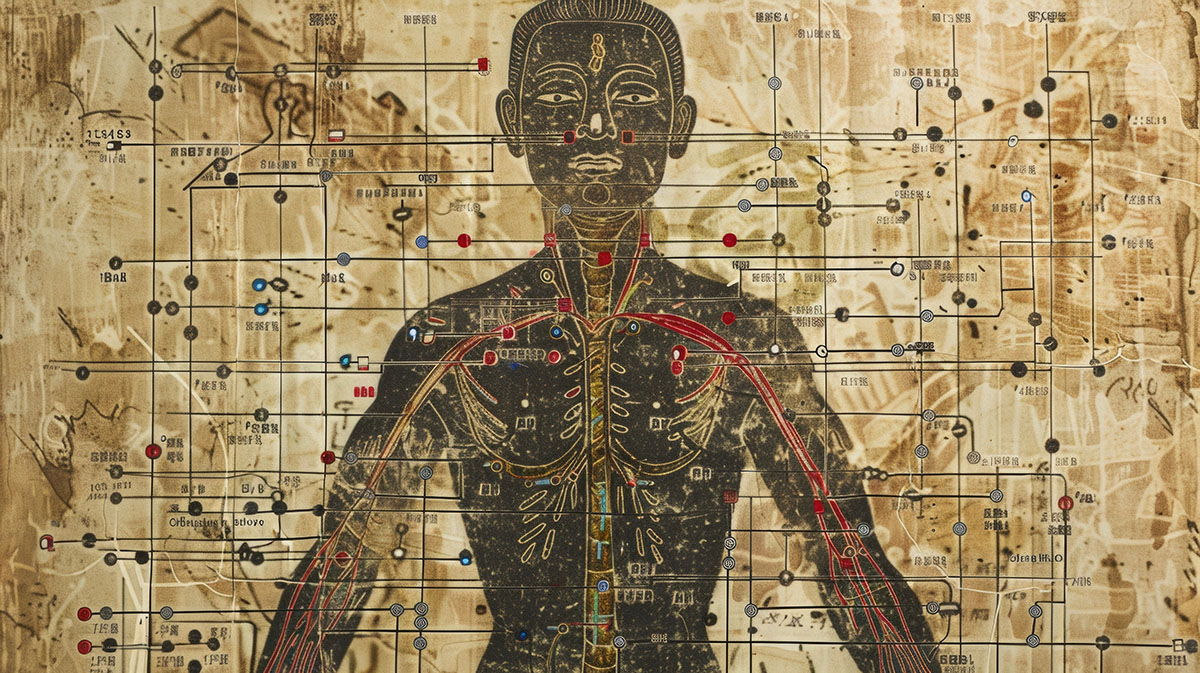
In Chinese medicine, the Heart is often called the “Emperor.”
While Western medicine primarily views the heart as a pump, Chinese medicine sees it as the ruler of both circulation and consciousness. The Heart houses the Shen, often translated as spirit, mind, or awareness.
A balanced Heart allows us to experience:
- Joy
- Mental clarity
- Good sleep
- Emotional stability
- Meaningful connection with others
Because summer naturally amplifies Fire energy, many people feel more social, outgoing, and energized during this season.
However, too much Fire can create imbalance. Signs that the Heart is becoming overstimulated may include:
- Difficulty sleeping
- Anxiety
- Restlessness
- Racing thoughts
- Excessive excitement Palpitations
- Feeling emotionally “wired”
One of the most important lessons of summer is to enjoy the energy without burning yourself out.
The Small Intestine: Sorting the Pure from the Impure
The Small Intestine is the Heart’s paired organ.
Beyond digestion, Chinese medicine views the Small Intestine as responsible for separating what is useful from what is not—both physically and mentally.
On a physical level, it helps extract nutrients from food.
On an emotional level, it helps us discern what deserves our attention and what should be released.
Summer can be a busy season filled with travel, social commitments, and endless activity. The Small Intestine reminds us to be selective. Not every invitation needs a yes. Not every thought deserves your energy.
This is a season to simplify and choose what genuinely nourishes you.
The Pericardium: The Heart’s Protector
The Pericardium acts as the Heart’s bodyguard.
Its role is to protect the Heart from emotional overwhelm and excessive stress.
In modern life, many people operate with constant stimulation—notifications, news, work demands, social media, and endless information. The Pericardium helps create healthy boundaries around what we allow into our emotional world.
During summer, when activity naturally increases, protecting your emotional energy becomes especially important.
Practices that support the Pericardium include:
- Meditation
- Time in nature
- Meaningful conversations
- Setting healthy boundaries
- Spending time with people who genuinely replenish you. Not every social event is restorative. The Pericardium reminds us that quality matters more than quantity.
The San Jiao: The Body’s Climate Control System
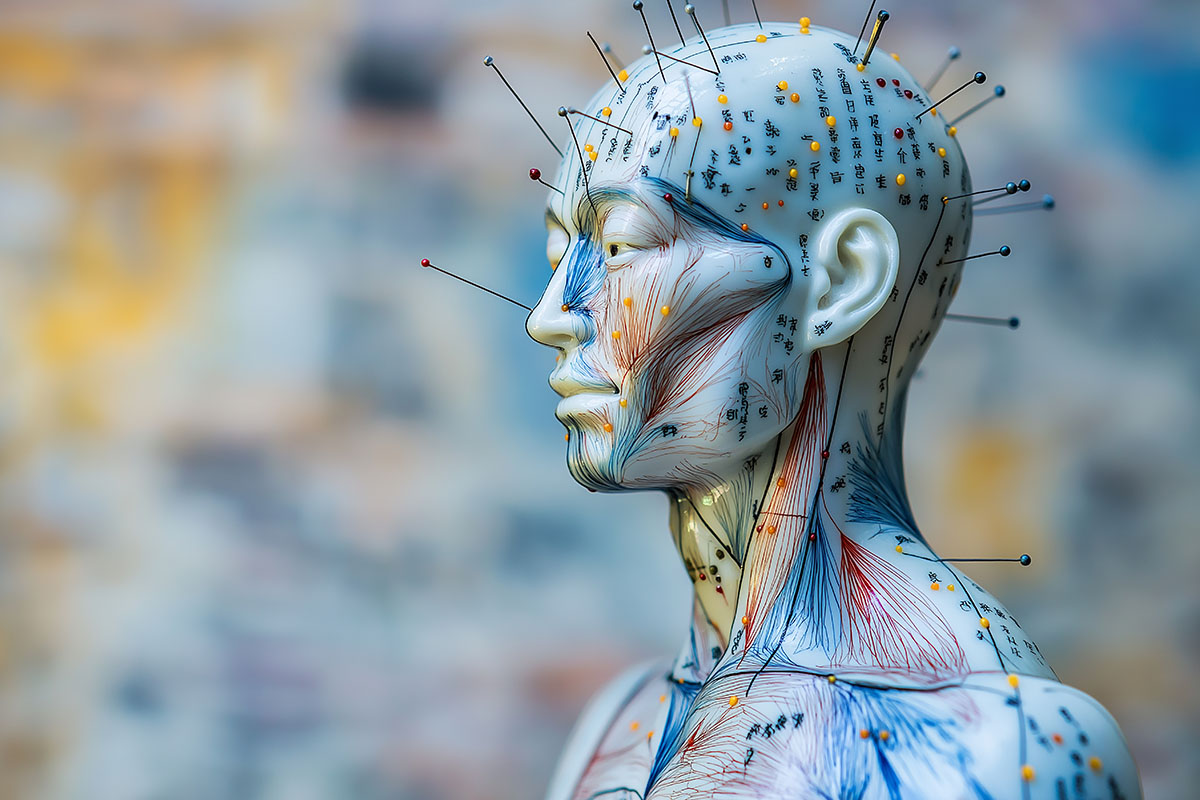
The San Jiao, or Triple Burner, is one of the most unique concepts in Chinese medicine.
Rather than referring to a single organ, it describes how energy, fluids, and temperature are regulated throughout the body.
Think of it as the body’s internal irrigation and climate-control system. During summer, the San Jiao helps manage:
- Sweating
- Hydration
- Temperature regulation
- Fluid distribution
- Energy circulation
When this system becomes strained, people may experience dehydration, sluggishness, swelling, heat exhaustion, or fatigue.
Supporting the San Jiao means staying hydrated consistently throughout the day rather than waiting until you’re thirsty.
How to Eat According to Chinese Medicine in Summer
Many people instinctively crave lighter foods during warm weather, and Chinese medicine agrees.
Summer favors foods that are cooling, hydrating, and easy to digest.
Excellent summer foods include:
- Watermelon
- Cucumber
- Celery
- Mint
- Lettuce
- Berries
- Citrus fruits
- Zucchini
- Tomatoes
- Lightly steamed greens
Instead of heavy stews and rich comfort foods, think fresh, colorful, and seasonal.
This doesn’t necessarily mean eating everything cold. Ice-cold beverages and frozen foods can weaken digestion in some individuals. Room-temperature or lightly chilled foods are often easier on the digestive system.
Summer is also the perfect time to enjoy:
- Herbal teas
- Infused water
- Fresh fruits
- Light proteins
- Seasonal vegetables
Summer Lifestyle Tips from Chinese Medicine

Chinese medicine encourages us to embrace the season rather than fight it. Some simple recommendations include:
- Wake earlier with the sun
- Spend time outdoors
- Engage in joyful movement
- Stay socially connected
- Protect your sleep
- Hydrate consistently
- Avoid overworking during extreme heat
Most importantly, cultivate joy.
Of all the emotions associated with the seasons, summer belongs to joy. The goal is not constant happiness, but rather creating moments of genuine connection, laughter, creativity, and presence.
Summer reminds us that life is meant to be lived, not merely managed.
When we support the Heart, nourish the body, and move in rhythm with the season, we often find ourselves feeling more energized, connected, and alive.