
If you’ve started sneezing, rubbing your eyes, or waking up congested lately, you’re not alone. By mid-April, allergy season begins to stir—subtle at first, then suddenly everywhere.
From a Western perspective, the explanation is straightforward: trees release pollen into the air, your immune system overreacts, and symptoms follow. Antihistamines aim to quiet that response.
But Chinese medicine asks a different question:
Why is your body reacting this way in the first place?
Because not everyone does.
Two Perspectives, One Experience
In Western medicine, allergies are seen as an immune overreaction. Pollen—harmless to most—triggers histamine release, leading to inflammation, sneezing, itchy eyes, and congestion. In Chinese medicine, we look at both the external trigger and the internal terrain.
Spring is governed by the element of Wood and the organ system of the Liver. It’s a season of rising, movement, and expansion. After the stillness of winter, the body begins to wake up, circulate, and push outward.
At the same time, spring is associated with Wind.
Wind: The Invisible Culprit
In Chinese medicine, Wind is considered one of the primary external pathogens. It is:
Sudden
Moving
Changing
- Unpredictable
Sound familiar?
Symptoms like sneezing fits, itching, watery eyes, and a runny nose that comes and goes are classic signs of Wind. It moves through the upper body—especially the head, sinuses, skin, and eyes.
But Wind alone isn’t the whole story.
For Wind to enter, there has to be an opening.
Wei Qi: Your Protective Shield
Your body has a defensive layer of energy called Wei Qi (pronounced “way chee”). It circulates at the surface of the body—like an energetic immune system—protecting you from external influences like Wind, cold, and pathogens.
When Wei Qi is strong, you can be surrounded by pollen and feel relatively unaffected.
When it’s weakened—or when the body is internally out of balance—external factors can penetrate more easily.
This is why:
Some people breeze through spring
- Others feel completely taken down
It’s not just exposure. It’s resilience.
Why Spring Can Feel Worse
Spring isn’t just an eye popping and beautiful season—it’s a physiological shift. The body is trying to:
Move stagnation from winter
Circulate more freely
Rise upward with the energy of the season
If that movement is smooth, you feel energized and clear. If it’s blocked, symptoms can appear:
Congestion
Pressure in the head
Irritability
Allergies
In this way, seasonal allergies are not random—they are often a sign that the body is struggling to adapt to the upward, outward movement of spring.
How Acupuncture Helps
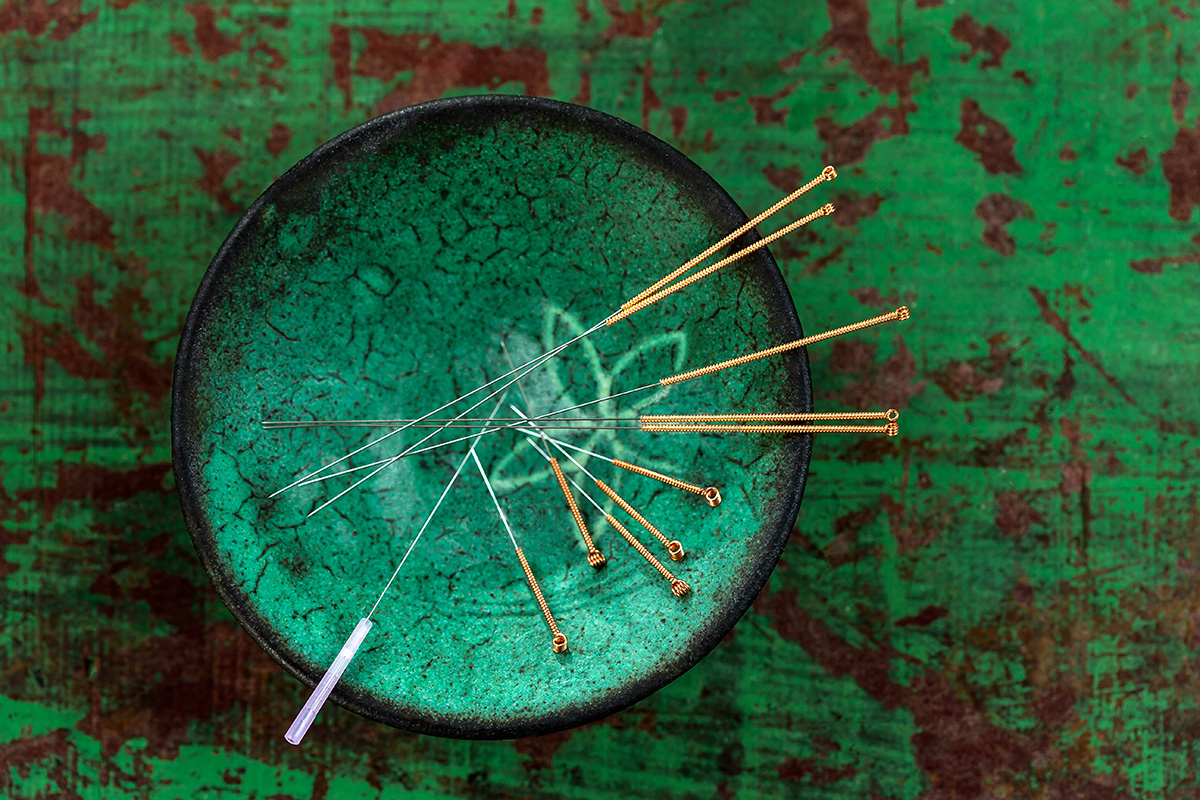
Acupuncture works by regulating the body’s internal environment so it can respond more appropriately to the external one.
In the context of allergies, treatment focuses on:
Strengthening Wei Qi (immune resilience)
Releasing Wind
Opening the nasal passages and sinuses
- Supporting the Lung and Spleen systems
Common points might include:
LI4 (Hegu): moves energy, releases the exterior, helps with face and sinus symptoms
LI20 (Yingxiang): located beside the nose, opens nasal passages
Yintang: calms the mind and clears sinus congestion
LU7 (Lieque): supports the Lung and helps release external pathogens
- GB20 (Fengchi): literally “Wind Pool,” a key point for expelling Wind from the body
Many patients notice:
Reduced severity of symptoms
Faster recovery after exposure
- Less reliance on medication over time
Acupuncture doesn’t just suppress symptoms—it helps your body respond differently.
Simple Ways to Support Your Body Right Now
You don’t need to overhaul your life to feel better this season. Small shifts can make a meaningful difference.
1. Protect the neck and upper back
This area (often called the “Wind Gate”) is where Wind can enter. A light scarf on breezy days can go a long way.
2. Support gentle movement
Walking, stretching, or light exercise helps Liver Qi move and prevents internal stagnation.

3. Eat lighter, cleaner foods
Reduce dairy, sugar, and heavy foods during peak allergy season. Focus on:
Lightly cooked vegetables
Bitter greens (arugula, dandelion, mustard greens)
- Simple, warm meals
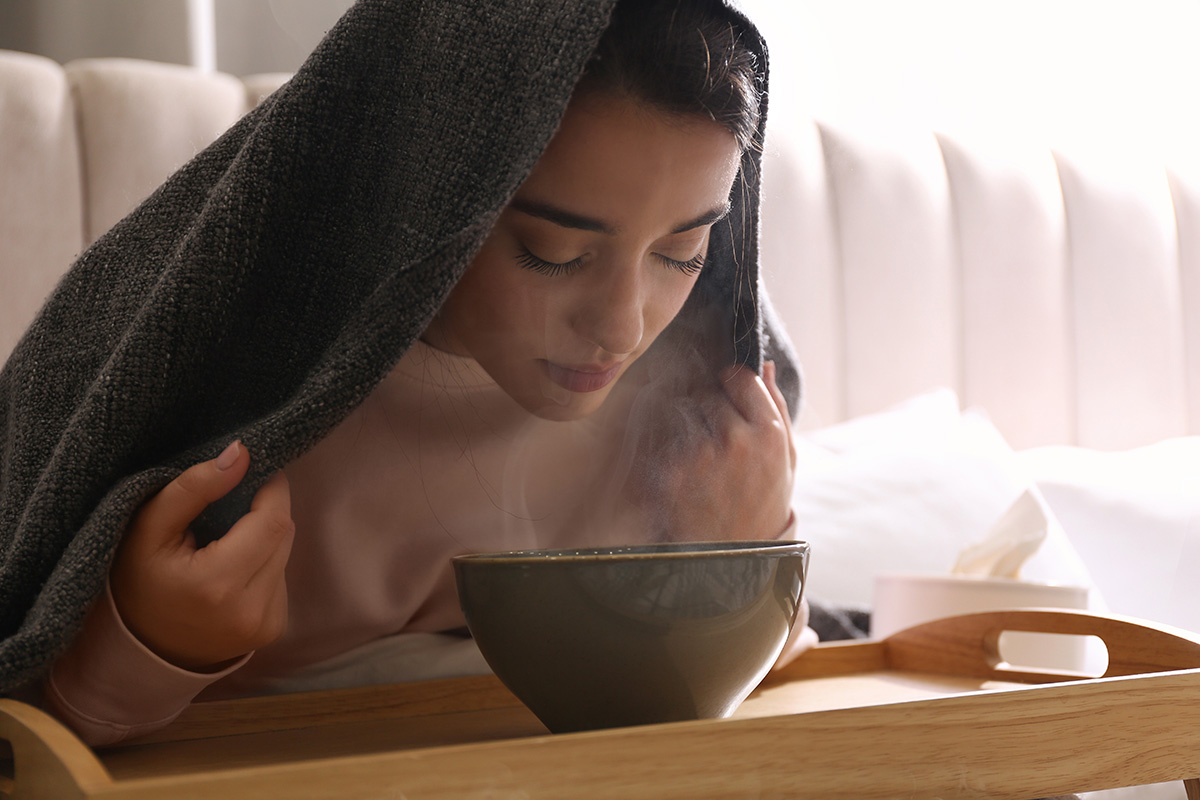
4. Open the nasal passages
Nasal rinses or steam inhalation can help clear pollen and reduce irritation.
5. Don’t wait until symptoms peak
The earlier you support your system, the easier the season tends to be.
A Different Way to See It
Allergies aren’t just your body malfunctioning.
They’re often a signal. A sign that your system is being asked to shift, adapt, and move—and may need a little support doing so.
Spring is a season of expansion. Not force, not fight—just movement. And when your body can move with it, everything feels different.
If you tend to struggle this time of year, acupuncture and seasonal support can make a significant difference—not just in how you feel today, but in how your body responds to spring in the years to come.