

In the quiet wisdom of Traditional Chinese Medicine (TCM), there is an understanding that harmony with nature is the foundation of health. Just as our bodies flourish when nourished with whole, seasonal foods, our communities thrive when we cultivate a food system rooted in balance and resilience. In today’s fast-paced world, where industrialized agriculture dominates, we are being called back to a more sustainable and nourishing way of feeding ourselves—a return to food sovereignty and regenerative farming. This is our Tao to Wellness, one that honors the past while building a stronger, healthier future.
The Long-Term Benefits of a Resilient Food System
In TCM, food is medicine, and the quality of what we eat directly affects our vitality. When we rely on mass-produced, chemically treated food, we disrupt the natural rhythms that sustain us. A resilient food system—one that embraces regenerative farming, localized food production, and respect for the land—offers long-term benefits for our bodies, our communities, and the planet.
Indigenous Food Sovereignty: A Return to Traditional Wisdom
Across the United States, efforts to reclaim food sovereignty are growing. As highlighted in Goop’s exploration of Indigenous food sovereignty, different regions are finding ways to reconnect with traditional, sustainable agricultural practices. Indigenous communities are leading the way in restoring balance to the food system through deeply rooted ancestral knowledge and a commitment to environmental stewardship.
For example, in the Great Plains, Native-led bison restoration projects are reviving an essential food source that once sustained Indigenous nations while helping to regenerate prairie ecosystems. In the Pacific Northwest, efforts to revitalize traditional salmon fisheries are strengthening food security and restoring cultural practices. The Southwest is seeing a resurgence of ancient dry farming techniques, allowing crops to flourish in arid conditions without reliance on industrial irrigation.
Part of the problem driving the migration towards food sovereignty is the abuse in the food manufacturing industry. In the Goop article, Janet MacGillivray, JD, LLM states “This is not a uniquely American problem. It is an issue of colonization and industrialization. We see a global land grab for food production. Right now, in Brazil, there is an increase in the incidence of violence against Indigenous people under a president who is cattle- industry-friendly. Indigenous people of pristine forests are being intimidated and pushed off their land, often with threats and violence and murder. It’s heartbreaking.”
These initiatives are not just about growing food; they are about healing relationships—with the land, with community, and with heritage. Indigenous food sovereignty movements emphasize the importance of seed saving, land stewardship, and self-sufficiency. The work being done in these regions exemplifies the principles of balance and nourishment that TCM also values—where food is not just sustenance, but a force for healing and resilience.
The Roots of Family Farming in the United States
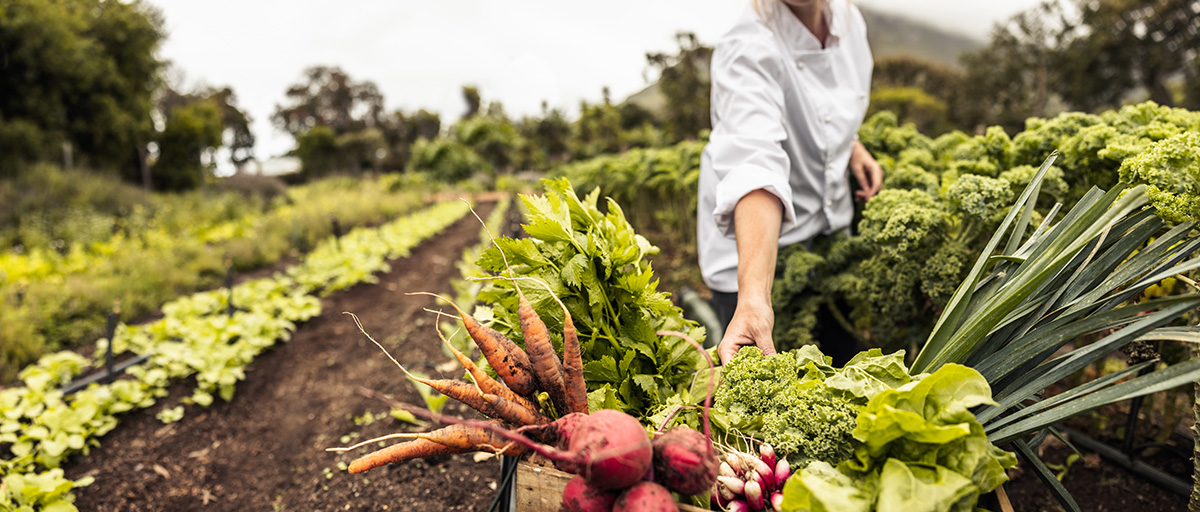
For much of U.S. history, family farms were the heart of the food system. Small-scale farmers tended to their land with care, passing down knowledge through generations. However, the rise of industrial agriculture in the mid-20th century shifted the focus toward large-scale monoculture, chemical inputs, and corporate control. This transition has led to soil depletion, reduced biodiversity, and an increasing reliance on processed foods.
According to the USDA, family farms still account for 98% of farms in the U.S., but they struggle against the dominance of agribusiness. The wisdom of small-scale, diversified farming is key to returning to a food system that nourishes both people and the land. Supporting family farms means choosing locally grown food, shopping at farmers’ markets, and advocating for policies that prioritize sustainable agriculture.
Farming in Cities: An Urban Renaissance
Even in the densest urban centers, the movement towards sustainable food systems is thriving. Rooftop gardens, community plots, and urban farms are transforming food deserts into lush, green spaces. In New York, vertical farming innovations allow fresh greens to grow year-round. In Detroit, once-abandoned lots now flourish with vegetables, feeding communities while revitalizing neighborhoods. Urban farming is a modern expression of an ancient principle in TCM: that healing begins where we are, with what we have.
City farming not only brings fresh produce to communities but also reconnects people with the land. The act of growing food—of tending to the earth, feeling the seasons shift, and harvesting with gratitude— grounds us in a way that no grocery aisle ever could. In a world where so many feel disconnected and stressed, urban farming is an opportunity to cultivate wellness and community from the ground up.
Farming in Berkeley, California: A Mediterranean Climate Haven
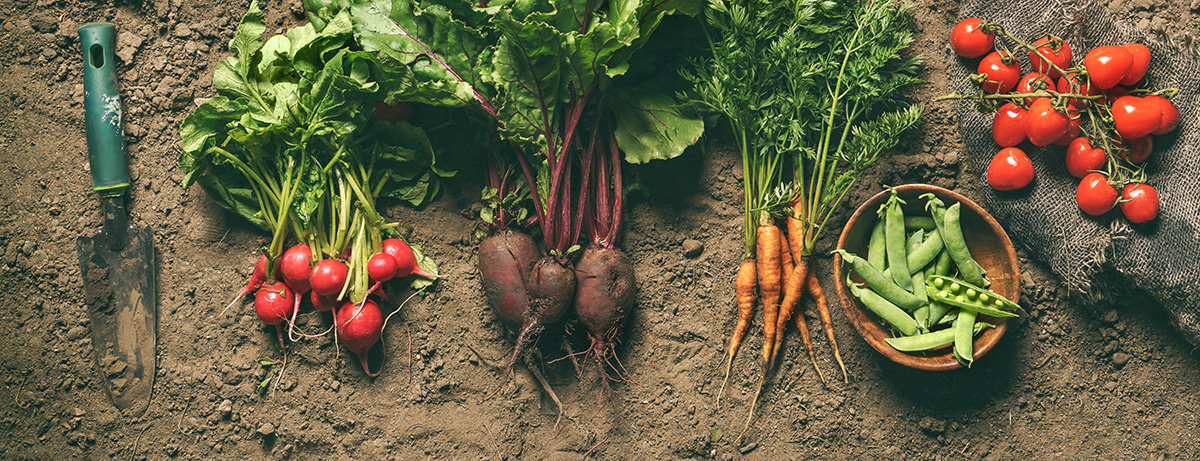
The Berkeley, California region enjoys a Mediterranean climate with mild, wet winters and warm, dry summers. This makes it an ideal place for growing a diverse range of fruits, vegetables, and herbs year-round. With rich soil and a strong local commitment to sustainable agriculture, the region is home to numerous small organic farms, urban gardens, and thriving farmers’ markets.
Some of the best crops to grow in Berkeley’s climate include:
Leafy greens like kale, chard, and spinach, which thrive in the cooler months.
Tomatoes, peppers, and eggplants, which flourish in the warm, dry summers.
Citrus fruits such as lemons and oranges, which benefit from the region’s mild winters.
Avocados, which grow well in the temperate climate with proper care.
Stone fruits like peaches, plums, and apricots, which ripen beautifully in the warm California sun.
Herbs such as rosemary, thyme, and basil, which flourish in the Mediterranean-like conditions.
The Berkeley area also places a strong emphasis on community- supported agriculture (CSA) programs, permaculture techniques, and urban farming projects. Organizations like Berkeley’s Ecology Center support sustainable food initiatives, ensuring that fresh, local produce remains accessible to all. Eating locally in this region not only supports small farmers but also aligns with TCM principles—helping the body stay in balance with the seasons while benefiting from food at its peak nutritional value.
Farming Across Climate Zones: Adapting with Nature
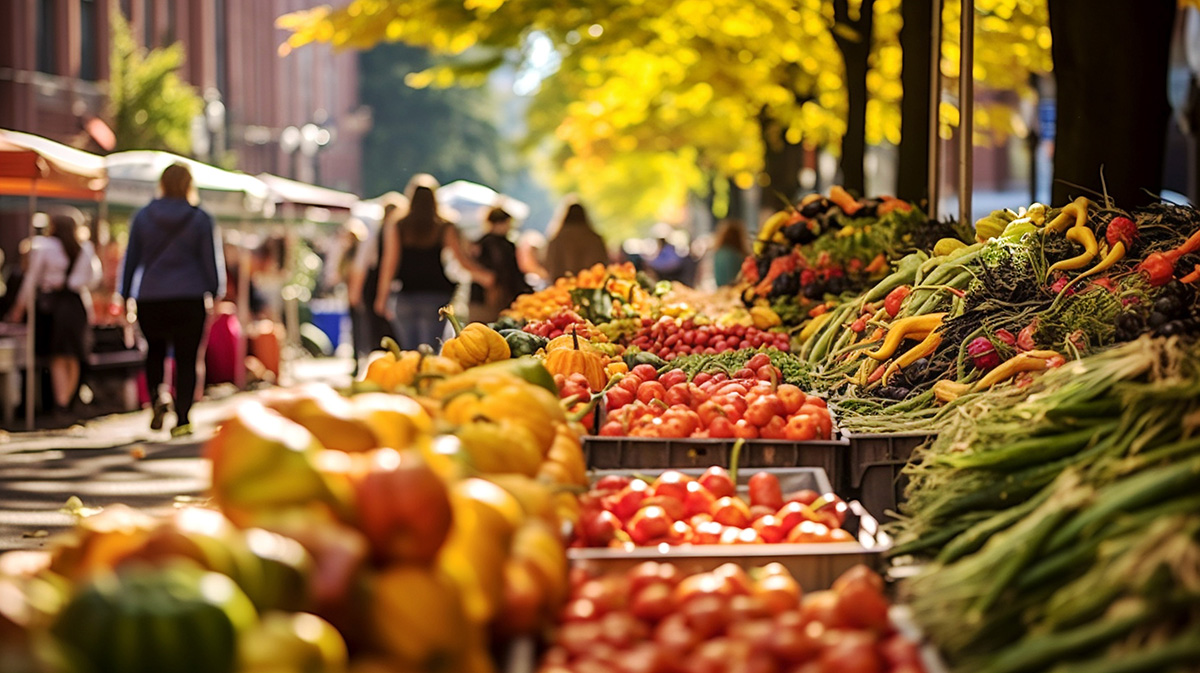
The United States spans a vast range of climates, each requiring unique farming practices to maintain harmony with the land. In the arid Southwest, traditional dry farming techniques—like those used by Hopi farmers—maximize moisture retention and preserve soil health. In the humid South, regenerative rice and nut tree cultivation are gaining momentum. The Midwest’s rich soils continue to support grains and legumes, but with a growing focus on crop rotation and soil restoration. Rather than imposing one-size-fits-all industrial farming methods, a return to climate-appropriate agriculture allows nature to be our guide. This principle is deeply woven into TCM, where different body types require different foods for optimal health. Just as we honor individual constitutions in healing, we must respect the diversity of ecosystems in farming.
What are the Different Body Types?
Different Body Types? You may be wondering what they are, and which one embodies you. In TCM, different body types—often categorized by the five elements (wood, fire, earth, metal, water) or yin-yang balance—require different foods for optimal health. For instance, someone with a cold constitution (yin excess) may thrive on warming foods like ginger, lamb, and cinnamon, while someone with excess heat (yang excess) may benefit from cooling foods like cucumber, watermelon, and leafy greens. Similarly, those with digestive sluggishness may do well with cooked, easy-to-digest foods, while those with robust digestion might process raw foods more effectively. Just as the land thrives when cultivated in a way that suits its natural climate, our bodies flourish when we nourish them according to their individual needs. This is why seasonal, locally grown foods—naturally suited to both our environment and our constitution—play such an essential role in maintaining balance and vitality.
To determine your body type, contact us! You can consult a TCM practitioner who will assess factors such as your digestion, energy levels, sleep patterns, emotional tendencies, and physical traits. Alternatively, you can explore self-assessment quizzes offered by reputable TCM sources, which categorize body types into patterns like qi deficiency (low energy, weak digestion), yin deficiency (dryness, heat sensitivity), or dampness (water retention, sluggishness). Understanding your constitution can help you choose the right foods and lifestyle adjustments to achieve balance and long-term wellness.
The Health Benefits of Eating Locally Grown Food

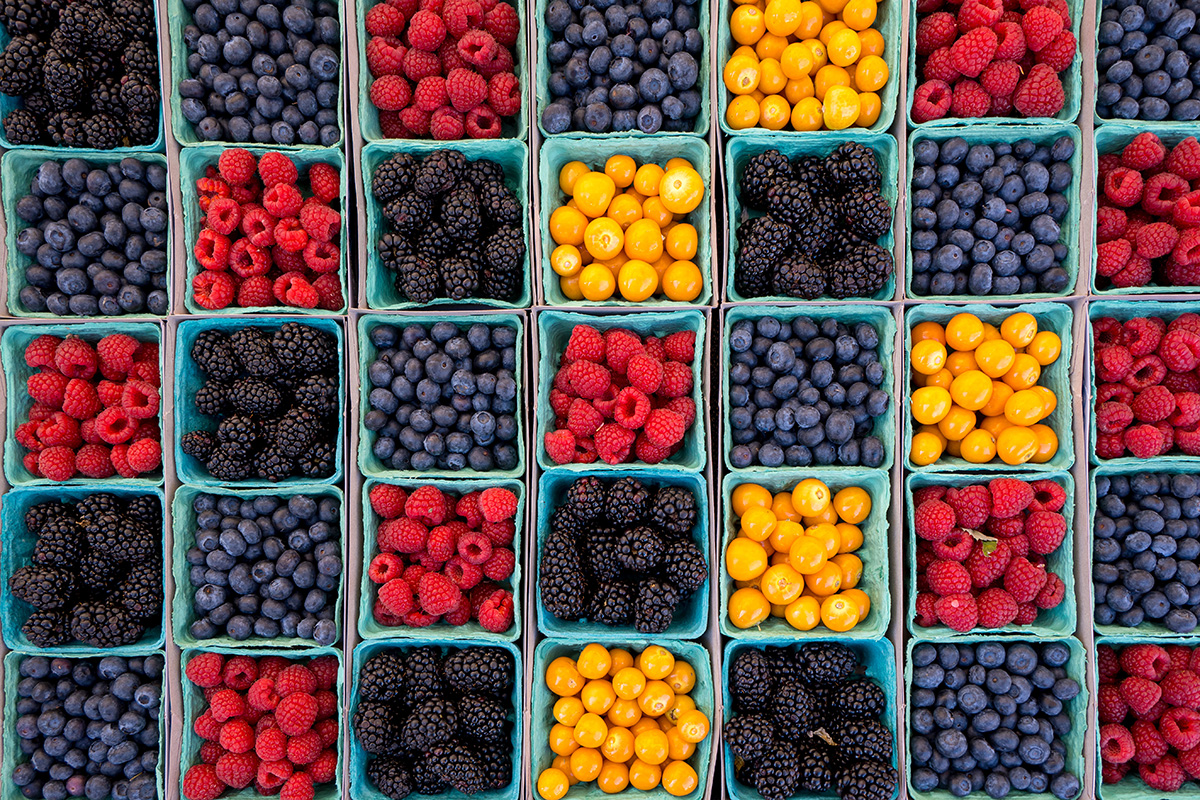
Eating locally grown food not only supports small farmers and the environment but also has profound health benefits. Fresh, seasonal produce is richer in nutrients compared to food that has traveled long distances and spent weeks in storage. An article by Food&Wine Magazine points out that studies show that fruits and vegetables lose key vitamins and antioxidants the longer they sit after harvest.
Furthermore, local food is often grown with fewer pesticides and chemicals, particularly when sourced from organic or regenerative farms. This reduces the body’s toxic load, supporting liver function and overall vitality. In TCM, foods grown in the same environment where we live are believed to be more harmonizing to our bodies, helping us adjust to seasonal changes and local allergens. Choosing locally grown food is a simple yet powerful step on the path to long-term wellness.
A Gentle Invitation Back to the Earth
As Janet MacGillivray, JD, LLM offers encouragement when she states, “We are wildly out of balance with our connection to what we put in our bodies and how we relate to the land. Rebalancing these relationships with food sovereignty is revolutionary; it reprioritizes the land, water, and air, as well as our cultures. It breaks the chain of dependency on shortsighted, convenient, overly processed foods produced in unethical, oppressive, and violent ways.” In a world that moves so quickly, where stress and disconnection are the norm, there is something deeply healing about returning to a food system that nourishes rather than depletes. This is a call not just to change how we eat, but to shift how we live. Whether it’s supporting local farmers, growing herbs on a windowsill, or simply choosing organic produce when possible, each small action is a step on the path toward resilience.
Food sovereignty is not about perfection—it is about alignment. When we align with nature, we rediscover a way of eating, growing, and living that sustains not just our bodies, but our spirits and the generations to come. Let’s take that step together, with love and intention.